These Fans Turned Their Anime Obsession Into a Paycheck — Here's How
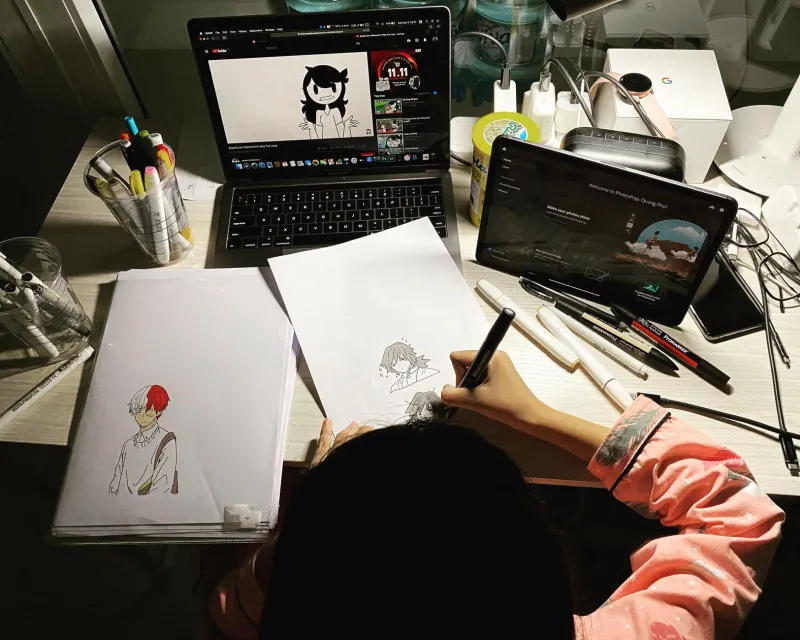
Kayla started making Demon Slayer fan art in her apartment in Austin during the pandemic. She posted it on Twitter mostly for fun, maybe to connect with other fans who were, like her, spending a lot of time at home with too many feelings and not enough outlets. Within eight months, she had a Redbubble store, an Etsy shop, a Patreon with 400 subscribers, and a waitlist for custom commissions stretching three months out.
"I never planned for it to be a business," she says. "I just kept making things, and people kept wanting to buy them."
Kayla's story isn't unique — it's a pattern playing out across the United States as anime fandom matures into something with serious economic weight. The fans who once spent money on the culture are increasingly making money from it, and the pathways to doing so have never been more varied or more accessible.
The Fandom Economy Is Real (and Growing)
The US anime market is worth billions, and a meaningful slice of that money flows not just to studios and streaming platforms but to the fans themselves — the creators, craftspeople, and performers who have built businesses inside the community. Conventions like Anime Expo, Otakon, and dozens of regional events feature artist alleys packed with independent vendors. Platforms like Patreon, Etsy, Ko-fi, and TikTok Shop have lowered the barrier to entry for anyone with a skill and an audience.
This isn't side-hustle territory for everyone. A growing number of American anime fans are generating full-time income — sometimes substantial income — from work that is directly rooted in their fandom. The business models vary widely, but the underlying engine is the same: deep community knowledge, genuine passion, and a willingness to treat creativity like a craft worth developing.
Cosplay as a Career: More Than Just a Costume
Cosplay is probably the most visible expression of anime fandom, and it's also one of the most complex to monetize. The days of cosplay being a purely hobbyist pursuit are long gone for a certain tier of creators.
Top-tier cosplayers in the US are running what amount to small production companies. They manage Patreon tiers offering behind-the-scenes content and early access to builds. They sell patterns and tutorials. They partner with wig companies, fabric suppliers, and prop makers for sponsored content. They appear at conventions as guests, charging for photo ops and autographs. Some license their likenesses to official merchandise.
The craft itself has elevated dramatically. Modern professional cosplayers work with EVA foam, 3D printing, thermoplastics, and LED systems to create builds that are genuinely engineering achievements. That level of skill commands respect — and increasingly, it commands rates that reflect it.
The challenges are real, though. Material costs are high. Convention travel is expensive. The physical demands of wearing elaborate costumes for twelve-hour convention days are brutal. And the parasocial nature of the fandom means that female cosplayers in particular navigate harassment and objectification as an occupational hazard, not an exception.
Still, for those who make it work, cosplay offers something rare: a career that feels like an extension of who you already are.
Fan Art and the Digital Marketplace
Fan art occupies a legally gray area — creating derivative works based on copyrighted characters is technically infringement, though enforcement varies wildly by studio and publisher. Most creators in this space operate under an unspoken industry norm: fan art for personal or small-scale commercial use tends to be tolerated, while mass production or direct competition with official merchandise crosses a line.
Within that framework, fan artists have built thriving businesses. Etsy shops selling prints, stickers, enamel pins, and charms based on beloved anime characters generate serious revenue for their creators. The key differentiators tend to be artistic style — fans want interpretations that feel fresh and personal, not just traced screenshots — and community connection.
The most successful fan artists aren't just selling products; they're selling a relationship with their audience. Regular posting, engagement with fans, transparency about the creative process, and consistency of output build the kind of loyal following that sustains a business through algorithm changes and trend cycles.
Content Creation: YouTube, TikTok, and the Long Game
Anime content on YouTube and TikTok is enormous. Review channels, analysis videos, reaction content, ranking videos, lore deep-dives — there are creators building audiences of hundreds of thousands by simply talking about anime they love with genuine enthusiasm and some baseline production quality.
Monetization here comes from multiple directions: platform ad revenue, brand sponsorships (often from anime-adjacent companies like Crunchyroll, gaming brands, or merchandise platforms), affiliate links, and merchandise of their own. The creators who last tend to be the ones who find a specific lane — maybe they're the person who does incredibly detailed lore analysis, or maybe they're known for chaotic ranking debates — and commit to it consistently.
TikTok has opened a faster path to audience-building for shorter-form content, but it comes with its own instability. Algorithm shifts can tank reach overnight, and the platform's uncertain regulatory future in the US adds a layer of anxiety that most creators are actively hedging against by building email lists and cross-posting to Instagram Reels and YouTube Shorts.
The Convention Circuit as Business Infrastructure
For many creators, conventions aren't just events — they're the backbone of their business calendar. An artist who does ten to fifteen conventions a year has predictable revenue windows to plan around, a built-in audience of highly engaged buyers, and networking opportunities that don't exist anywhere else.
Table costs, travel, lodging, and inventory investment make convention vending a significant financial undertaking, but the returns can be substantial. Creators who've optimized their booth setup, product mix, and pricing often report making a month's worth of online sales in a single weekend.
The community aspect matters too. Conventions are where collaborations form, where creators find their peers, and where the fandom's energy is most concentrated and electric. Many creators describe the convention circuit as essential not just financially but creatively — it's where they get direct, immediate feedback on their work from the people who love it most.
What It Actually Takes
There's no clean formula here, and anyone promising one is probably selling a course you don't need. The creators who've built sustainable careers in the anime fandom economy share a few common traits: they treat their work with professional seriousness even when the subject matter is inherently playful, they diversify their income streams rather than relying on any single platform, and they stay genuinely connected to the fandom rather than just mining it for content.
The passion has to be real. Audiences can tell the difference between someone who loves anime and someone who identified it as a monetizable niche. In a community built on authenticity and shared enthusiasm, that distinction matters more than almost anything else.
For Kayla in Austin, the business is still growing. She's thinking about launching a limited merchandise run, maybe a small clothing collaboration. She's still making fan art because she loves it — and that, she says, is the only reason any of it works.