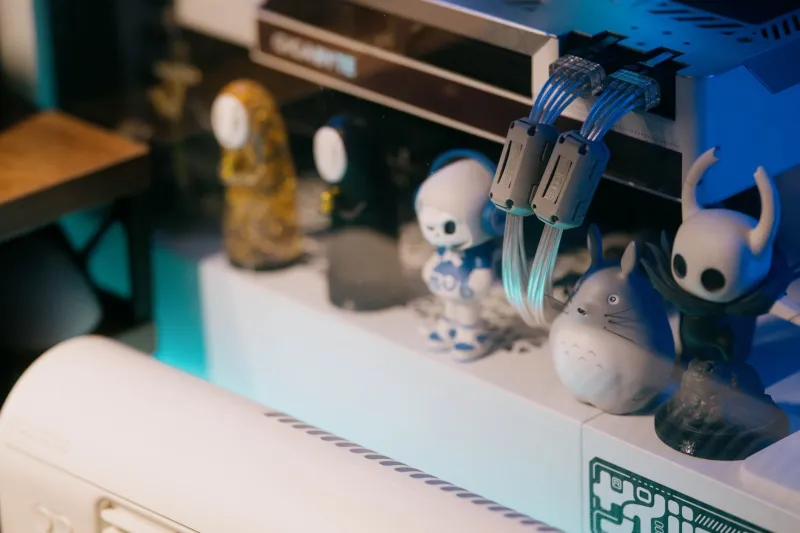
Cute, Calm, and Collected: How Kawaii Design Is Quietly Taking Over American Living Rooms
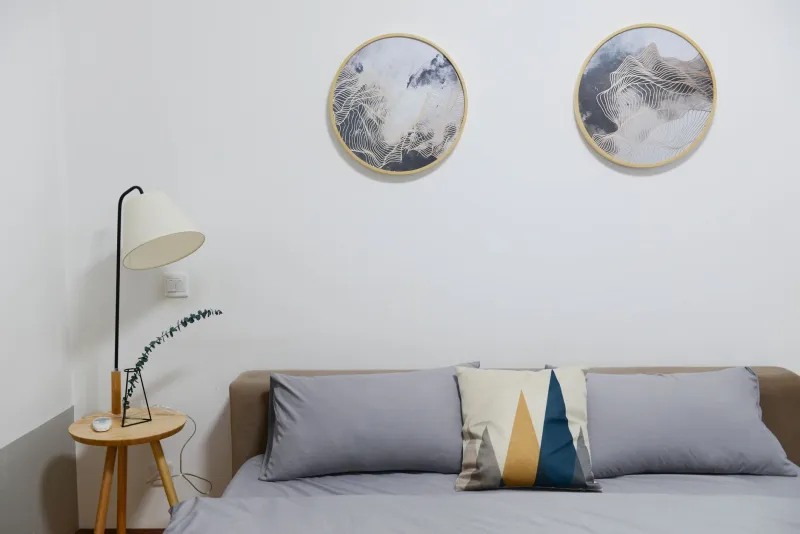
Walk into the right corner of TikTok or Pinterest these days, and you'll stumble into a world of pastel shelving units, carefully arranged Sanrio figurines, soft ambient lighting, and anime art prints framed above minimalist desks. It looks effortless. It looks intentional. And more than anything, it looks like it belongs in a Studio Ghibli film.
This is kawaii design — and it's quietly reshaping how Americans think about their living spaces.
What Even Is Kawaii Design?
Kawaii (可愛い) literally translates to "cute" in Japanese, but the concept runs way deeper than stuffed animals and pastel pink. It's a full-blown aesthetic philosophy rooted in Japanese pop culture that emerged in the 1970s and exploded globally through anime, manga, and characters like Hello Kitty. At its core, kawaii celebrates softness, playfulness, and a kind of innocent joy that pushes back against the hard edges of adult life.
When you blend kawaii sensibilities with Japan's broader design tradition — think wabi-sabi (finding beauty in imperfection), ma (the art of negative space), and the functional minimalism popularized by figures like Marie Kondo — you get something genuinely special: spaces that feel both whimsical and breathable. Joyful without being chaotic.
That balance is exactly what's catching on in American homes right now.
The Anime Room Effect
For a lot of fans, the gateway into Japanese-inspired décor is the "anime room" — a setup where your love of the medium becomes part of your environment. Think framed art prints from your favorite series, a carefully curated figure shelf, body pillows tucked tastefully into corners, and color palettes pulled straight from shows like Violet Evergarden or A Silent Voice.
Content creator Mia Chen, who runs a lifestyle channel focused on "cozy anime spaces" for her 200K+ YouTube subscribers, says the trend has exploded in the last three years. "People aren't just watching anime anymore — they want to live in that feeling," she told us. "The soft lighting, the organized shelves, the intentional little details. It's about creating a space that reflects who you are without screaming it at you."
Mia's own apartment in Portland, Oregon, is a masterclass in restraint. A single large print of Howl's Moving Castle anchors her living room wall. Her bookshelves hold a curated selection of figures — maybe fifteen total — arranged with breathing room between each one. Warm Edison bulbs and a few trailing pothos plants do the rest.
"The biggest mistake people make is going overboard," she says with a laugh. "They want to display everything at once, and suddenly it's not a vibe — it's a storage unit."
Minimalism Is the Secret Ingredient
Interior designer James Okafor, based in Chicago, has seen a steady uptick in clients asking for what he calls "J-inspired" rooms — spaces that pull from Japanese design principles without necessarily being explicitly anime-themed.
"What draws people in is the intentionality," James explains. "Japanese design asks you to think about why every object is in the room. Does it serve a purpose? Does it bring you joy? Does it fit the visual rhythm of the space? That's incredibly appealing to Americans who are exhausted by maximalism and fast furniture culture."
His go-to recommendations for clients starting out: low-profile furniture (futon-style sofas, platform beds), natural materials like wood and linen, and a limited color palette anchored in neutrals with one or two intentional pops of color. "You can absolutely have a pink Kirby plush on a walnut shelf," he says. "The key is that it's the statement, not the noise."
Practical Tips for Bringing Kawaii Energy Into Your Home
Ready to dip your toes in? Here are some actionable starting points that won't require a full remodel — or a second mortgage.
Start with one focal point. Pick a single wall, shelf, or corner to anchor your aesthetic. A gallery wall with three to five framed anime prints in matching frames is an easy win. Resist the urge to spread things everywhere at first.
Invest in good lighting. Soft, warm lighting transforms a space more than almost anything else. String lights, salt lamps, and dimmable LED strips (popular in the lo-fi anime aesthetic) are affordable and wildly effective.
Embrace functional kawaii. Items like Totoro-shaped bookends, Pusheen cable organizers, or Rilakkuma desk accessories let you express your love of cute culture while actually using the things you display. Form meets function, which is very Japanese of you.
Use negative space on purpose. Don't fill every inch of your shelves. Leave gaps. Let objects breathe. This is the ma principle in action, and it makes your collection look curated rather than crammed.
Choose quality over quantity. One beautiful, officially licensed figure displayed thoughtfully will always look better than ten cheap knockoffs crammed together. This is true for décor generally and especially true for fandom spaces.
Go neutral with your big pieces. Walls, sofas, rugs — keep these in soft, neutral tones. Whites, creams, light grays, and natural wood tones give your colorful fandom pieces room to shine without competing.
The Bigger Picture
What's happening in American homes right now isn't just a décor trend — it's a cultural conversation. As anime and Japanese pop culture become increasingly mainstream in the US, fans are finding new ways to integrate their passions into everyday life. The home becomes a reflection of identity, a sanctuary that says something about who you are and what brings you comfort.
Kawaii design, at its best, does exactly that. It's not about covering every surface in Sanrio merch (though, honestly, no judgment). It's about approaching your space with the same thoughtfulness and intentionality that the best anime brings to its world-building — every detail considered, every element earning its place.
Your home is your world. Might as well make it a beautiful one.